Choosing your first project wrong is one of the most common reasons people quit woodworking before they've really started. It's not that the project was too hard. It's that the project was the wrong kind of hard — the kind that requires joints you've never cut, tools you don't own, or a plan that falls apart at step three.

The right first project teaches you real skills without punishing you for not already having them. It's completable in a weekend or two with basic tools. And when it's done, it's something you'll actually use — not a practice piece that lives in a corner of the garage indefinitely.
These seven projects hit all of those marks. They're ordered roughly by skill demand, starting with the most accessible. All of them are available as fully tested plans in TedsWoodworking's library, with exact cut lists and step-by-step assembly instructions.
🔧 The Basic Tool Kit You Need for All 7 Projects
- Circular saw or table saw — for ripping and cross-cutting boards
- Drill/driver — for screws and drilling pilot holes
- Tape measure — a good one; the cheap ones drift
- Clamps — at minimum four; more is always better
- Speed square or combination square — for keeping cuts at 90°
- Orbital sander — optional but saves considerable time
The 7 Projects
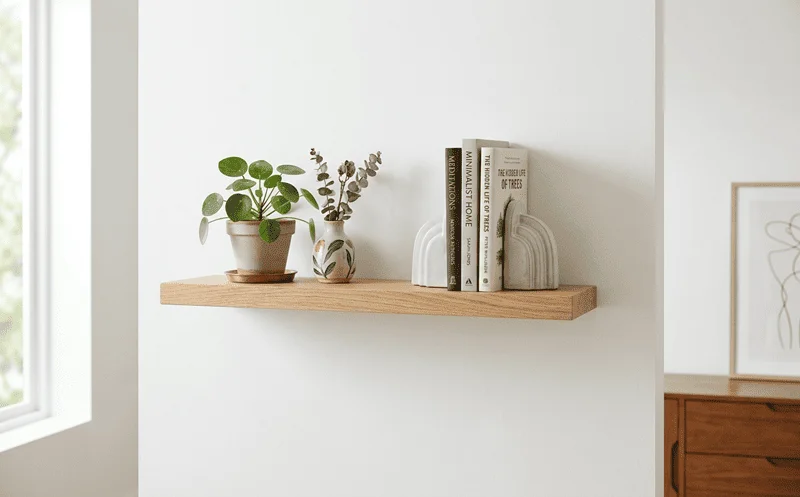
Floating Wall Shelf
Three boards, a handful of screws, and a level. That's essentially the whole project. But here's why it's a perfect first build: it forces you to work accurately enough that the result actually looks good on a wall where anyone can see it. A shelf that isn't level is obvious. One that is looks intentional.
You'll learn how to find and mark wall studs, drive fasteners without splitting wood near an edge, and sand and finish a surface properly. These three skills come up in almost every project you'll build after this.
The common mistake: not pre-drilling pilot holes before driving screws near the ends of boards. Split the wood once and you'll never skip that step again. Good plans tell you this. Most beginner-level plans online don't.
- Wall fastening
- Leveling
- Surface finishing
- Pilot holes
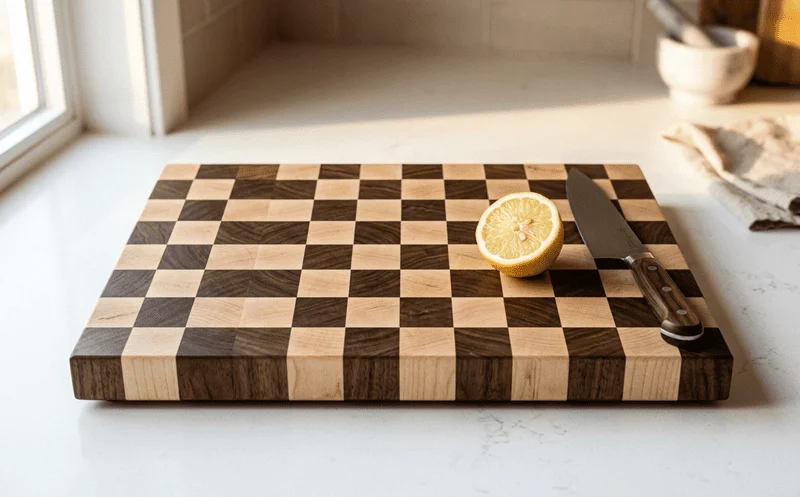
End-Grain Cutting Board
Don't let the "end-grain" label put you off — this is more about glue-up technique than joinery, and you can produce something genuinely beautiful on your first attempt. You'll rip strips of contrasting woods (walnut and maple are classic, but pine and poplar from any home center work fine), arrange them in a pattern, glue them up, and flatten the result.
What makes this project worth doing early: you learn how wood moves with humidity changes, why grain direction matters, and how to create a flat surface by hand or with a sander. You also end up with something genuinely useful that people will ask to buy from you.
One caveat: glue-up time adds a full day of curing between some steps. Budget two days even though the active work is one long session.
- Glue-up technique
- Wood grain understanding
- Surface flattening
- Food-safe finishing
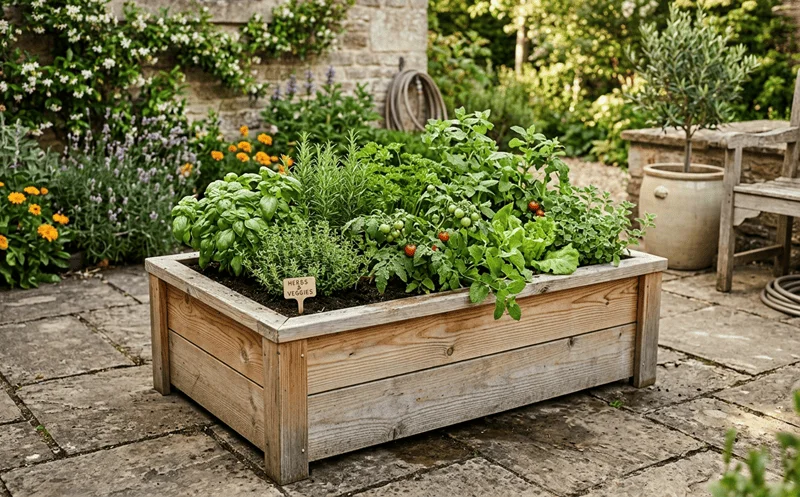
Planter Box / Raised Garden Bed
An outdoor planter is one of the most forgiving first projects you can build. Small imperfections in your joints get hidden by soil and plants. Slight variations in board width don't matter much outdoors. And the final product genuinely improves your yard or patio.
The practical skill here is butt joints reinforced with screws — the foundational joint you'll use in hundreds of future projects. You'll also learn how to account for wood movement when building something that lives outside and gets wet repeatedly, and why cedar or pressure-treated lumber matters for outdoor builds.
Build one well and your neighbor will ask you to build them one. Several TedsWoodworking members report turning planter box builds into their first paying woodworking gig.
- Butt joints
- Outdoor lumber selection
- Wood movement planning
- Weatherproofing
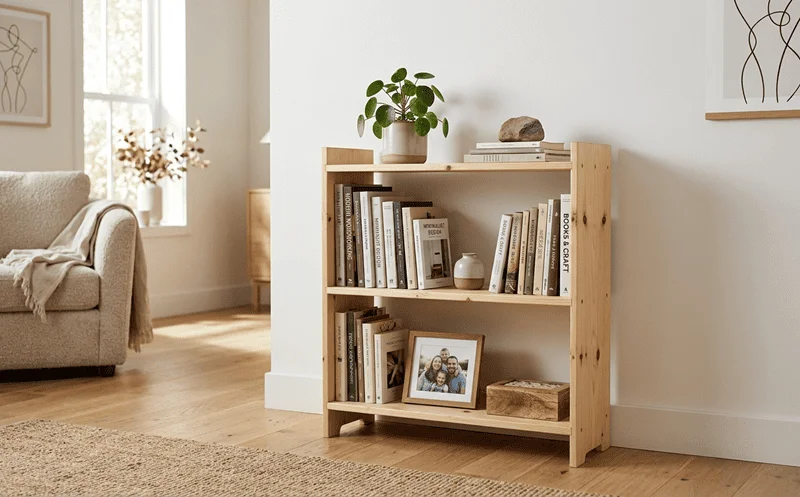
Simple Bookshelf (3 Shelves, No Back Panel)
This is the project most woodworkers look back on as the one that showed them they could do this. It's more than a floating shelf — it has sides, a top, a bottom, and multiple shelves that need to align. You have to keep it square while the glue dries. You have to make sure the shelves are level inside the case.
Done well, it looks intentional and handmade in the best possible way. And because it has no back panel, you skip the most common complexity trap (fitting a panel into a rabbet) while still building something real.
The critical step most plans skip: checking for square by measuring diagonals before clamps dry. If your two diagonal measurements match, the case is square. If they don't, shift one corner gently before the glue sets. That ten-second check saves an hour of fixing later.
- Case construction
- Squaring a case
- Shelf pin layout
- Wood finishing
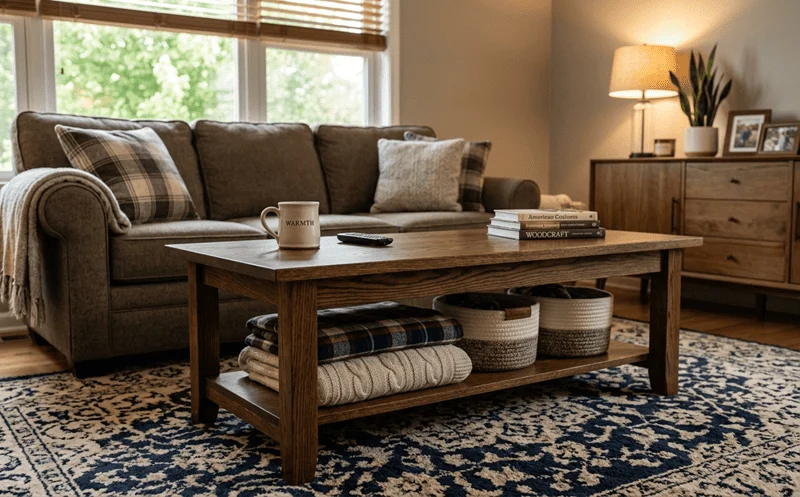
Coffee Table with Lower Shelf
A coffee table is the project you'll show off. It sits in the middle of the room. People comment on it. When you say you built it, the follow-up is always "really?" — and that's worth something.
The lower shelf version adds just enough complexity (mortise-and-tenon or pocket screw leg-to-apron joints, a stretcher to keep the legs rigid) to teach you how furniture actually holds together under use. A coffee table that wobbles six months later is a lesson in why joint selection matters. One that doesn't wobble teaches you what to do next time.
Most beginner-appropriate plans use pocket screws for leg joinery, which is completely legitimate and nearly invisible in the finished piece. You don't need to cut mortises on your first table.
- Leg-to-apron joinery
- Pocket screw technique
- Structural rigidity
- Staining and finishing
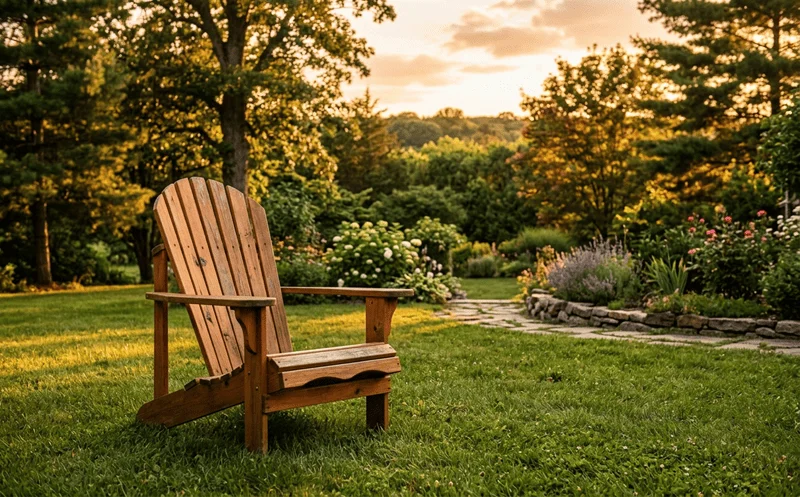
Adirondack Chair
The Adirondack chair is the classic project people sell at craft fairs for $100–200. It teaches you curved cuts (the seat slats and back pieces have gentle curves that require a jigsaw), angled joinery (the back reclines — those angles have to match on both sides), and assembly sequencing (you have to build sub-assemblies in the right order or you won't be able to reach the joints).
It's also one of the most satisfying finishes in beginner woodworking. First time you sit in a chair you built yourself outside with a coffee is a genuinely good moment.
Use cedar or treated pine for outdoor durability. The difference between a chair that lasts two seasons and one that lasts a decade is almost entirely in the lumber choice and the finish application.
- Curved cuts (jigsaw)
- Angled joinery
- Assembly sequencing
- Outdoor finishing
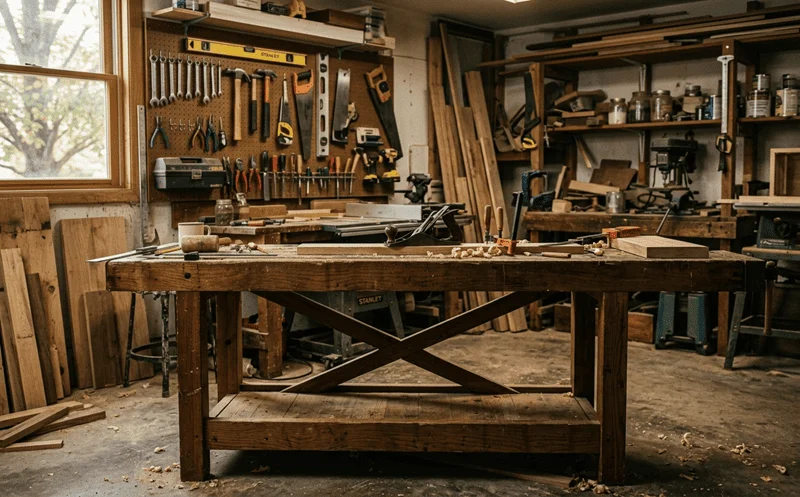
Workbench (Simple Flat Top)
A workbench isn't the most glamorous project on this list, but it might be the most valuable. Once you have a solid, flat work surface at the right height for you, every project after it gets easier. You stop fighting your workpiece. You stop clamping things to sawhorses. You build better because your setup is better.
A simple flat-top bench — a solid top glued from dimensional lumber, a base with four legs and stretchers — is entirely within reach for someone who's completed two or three of the earlier projects on this list. The joints are simple; the challenge is in managing a large glue-up and getting the top genuinely flat.
This project alone makes the TedsWoodworking library worth having — there are over 80 workbench variations in the catalog, from ultra-simple to full cabinetmaker's benches with tail vises and dog holes. Pick the one that matches your shop and your ambitions.
- Large-panel glue-up
- Flattening techniques
- Structural mortise-and-tenon
- Shop planning
One Last Thing Before You Start
The projects themselves are only half the equation. The other half is having a plan you can actually follow. The most capable beginner can't build something well from a plan that has wrong dimensions, skipped steps, or a materials list that doesn't match reality.
Every project on this list has multiple tested plans available in TedsWoodworking's library — with correct cut lists, real assembly sequences, and hardware specs that match what's actually available at your local home center. For beginners especially, that difference between a tested plan and a random one found online is the difference between finishing something and abandoning it halfway through.
Find Plans for All 7 of These Projects — and 15,993 More
Tested, complete, searchable. One-time $67 for lifetime access. 60-day money-back guarantee.
Browse TedsWoodworking Plans →